- This event has passed.
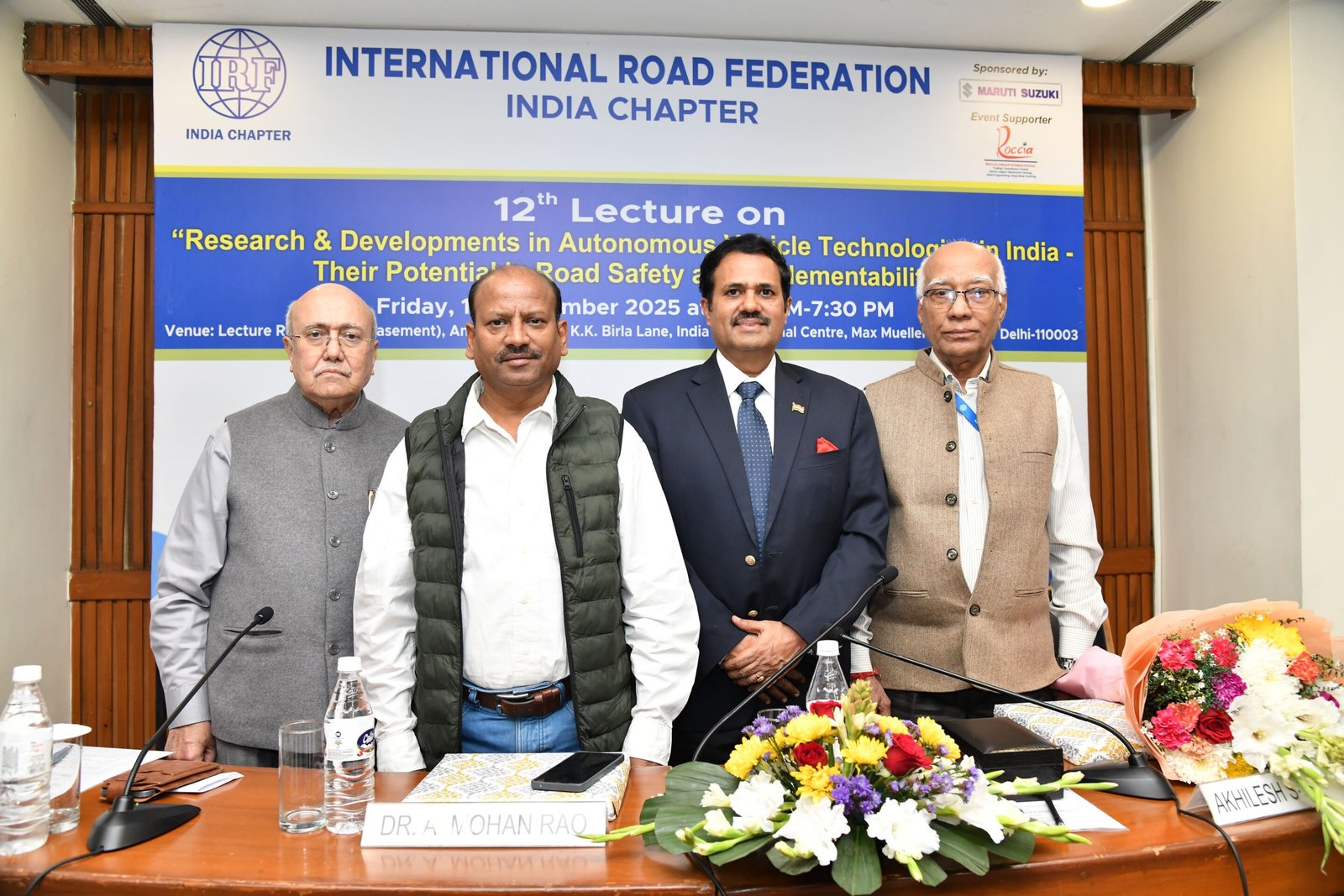
12th Lecture on the subject “Research & Developments in Autonomous Vehicle Technologies in India – Their Potential in Road Safety and Implementability”
November 14, 2025 @ 6:00 pm - 7:30 pm
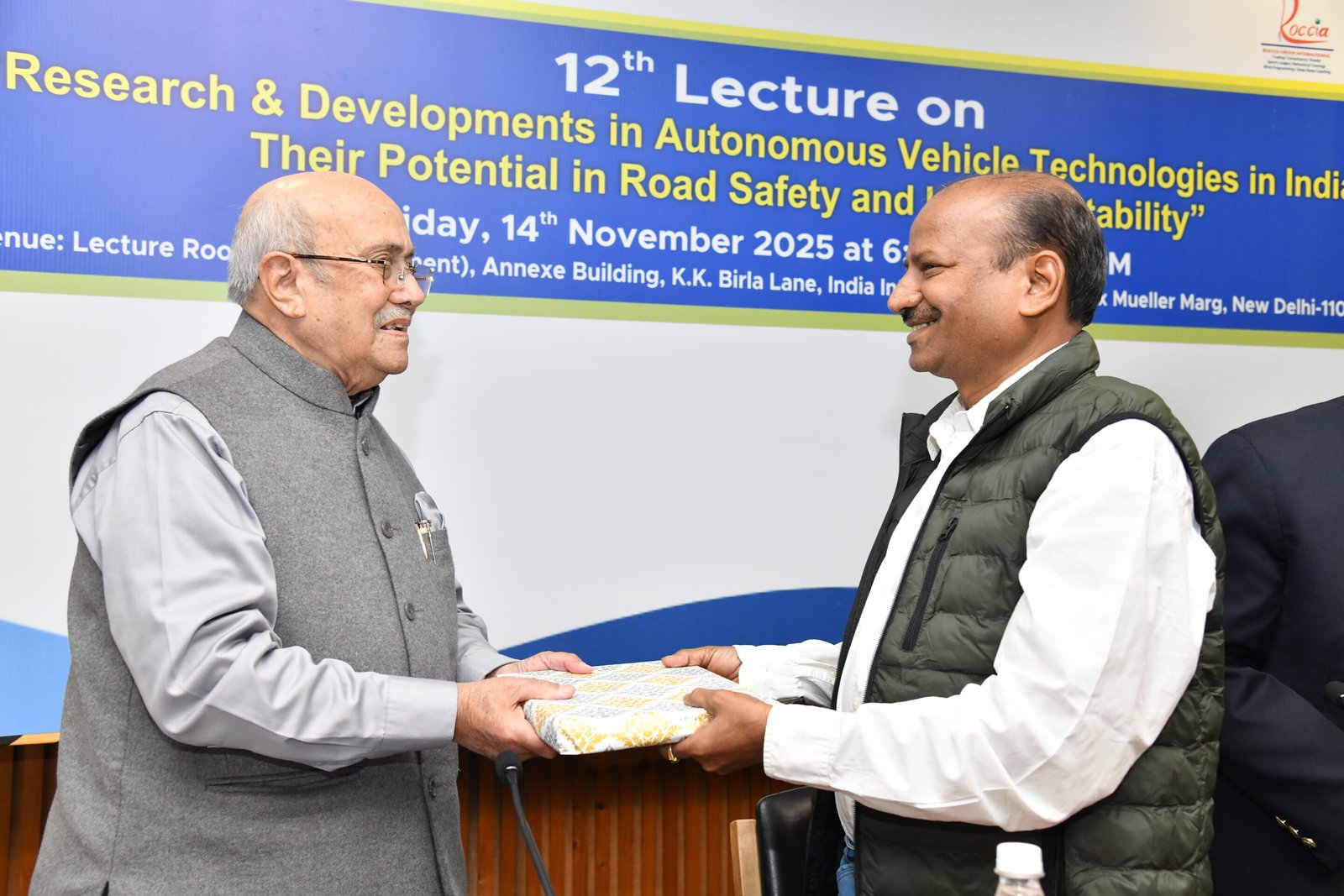
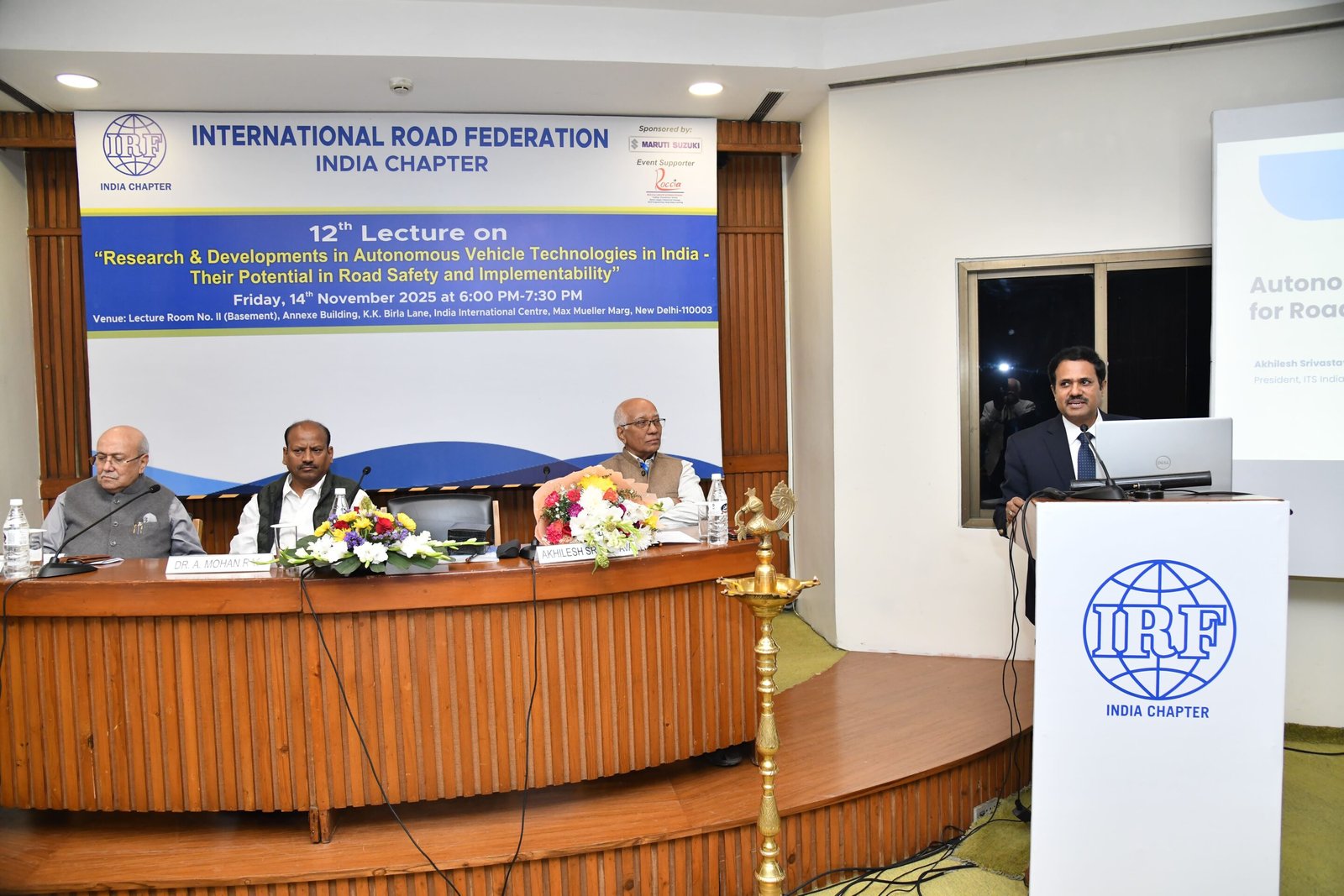
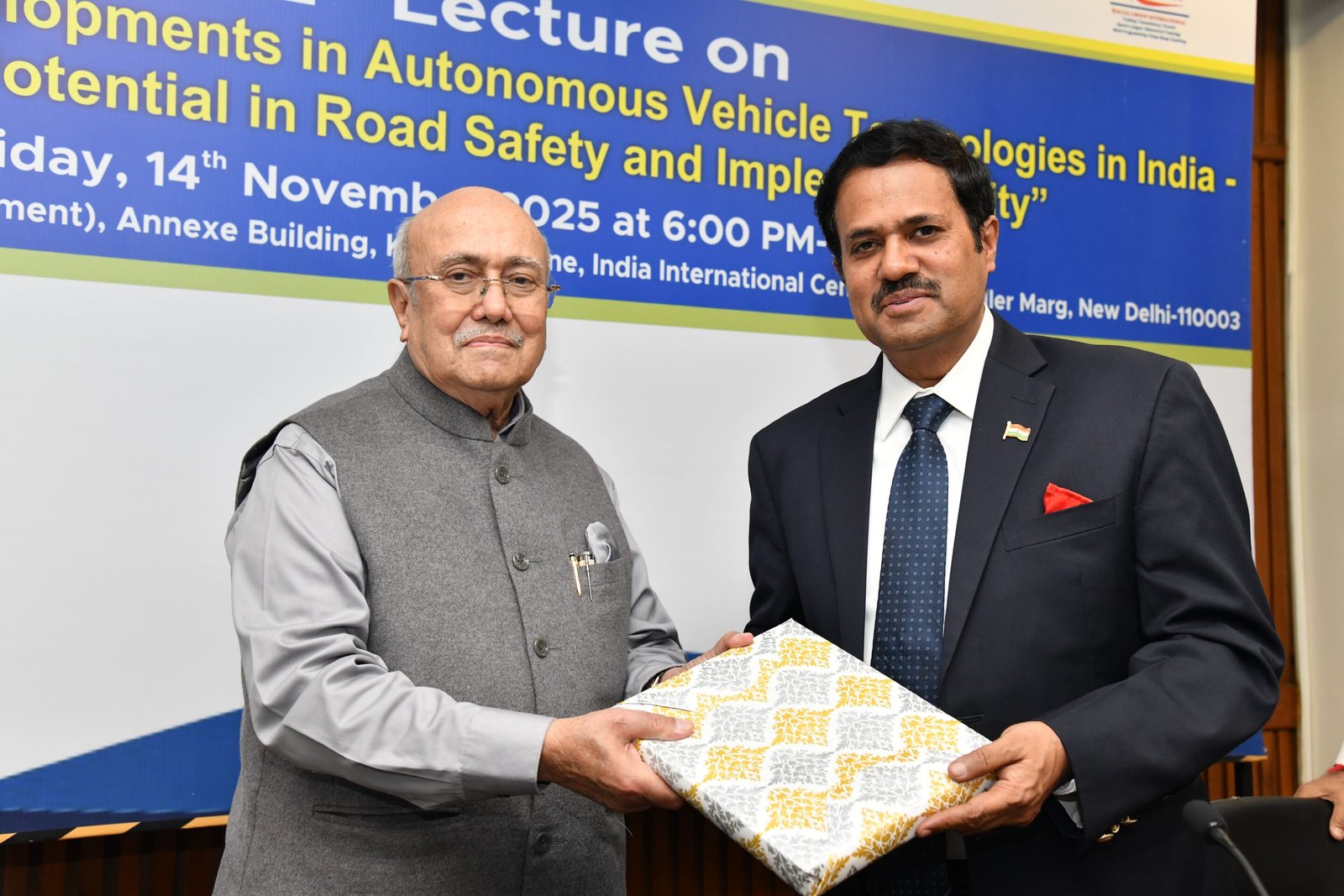
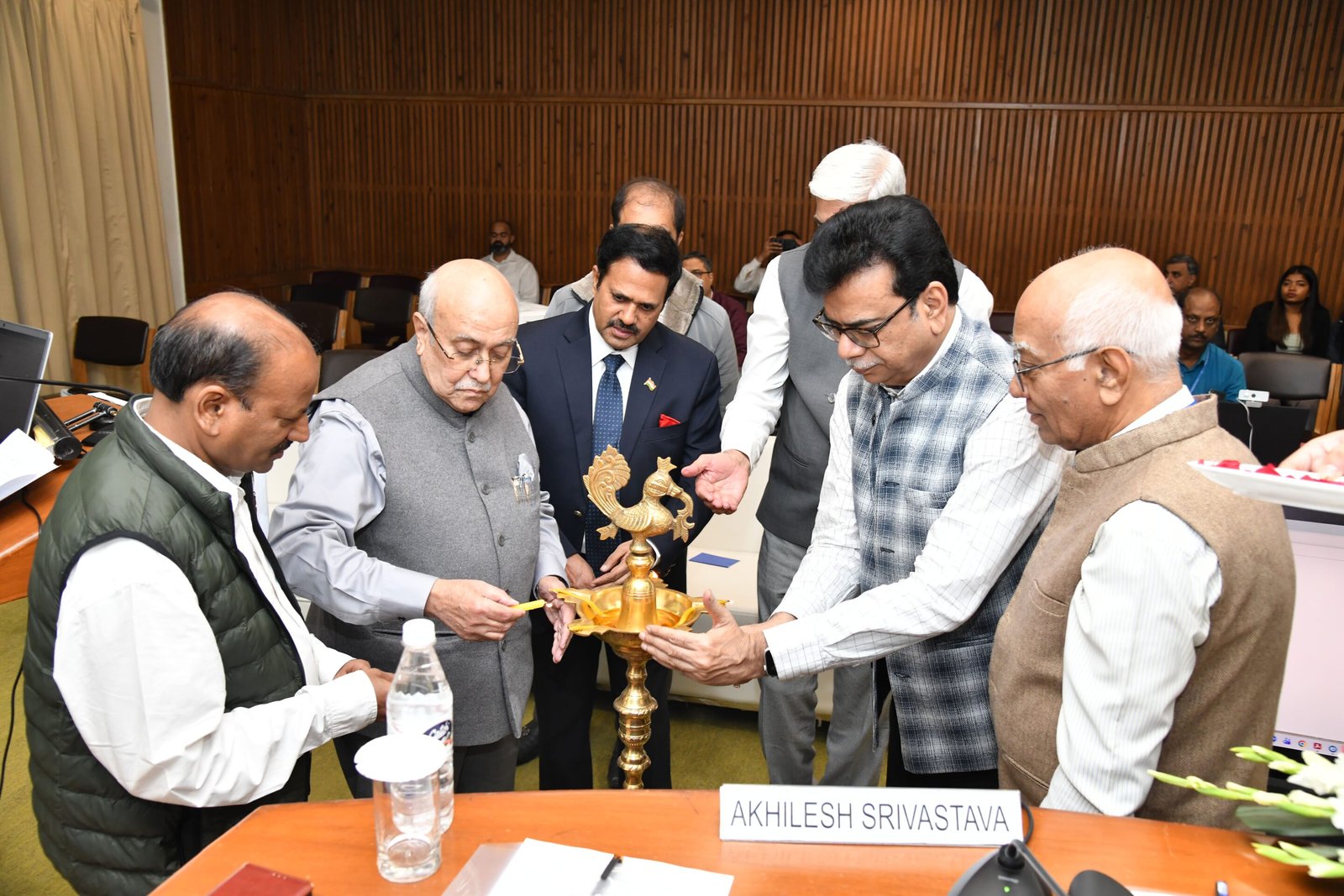
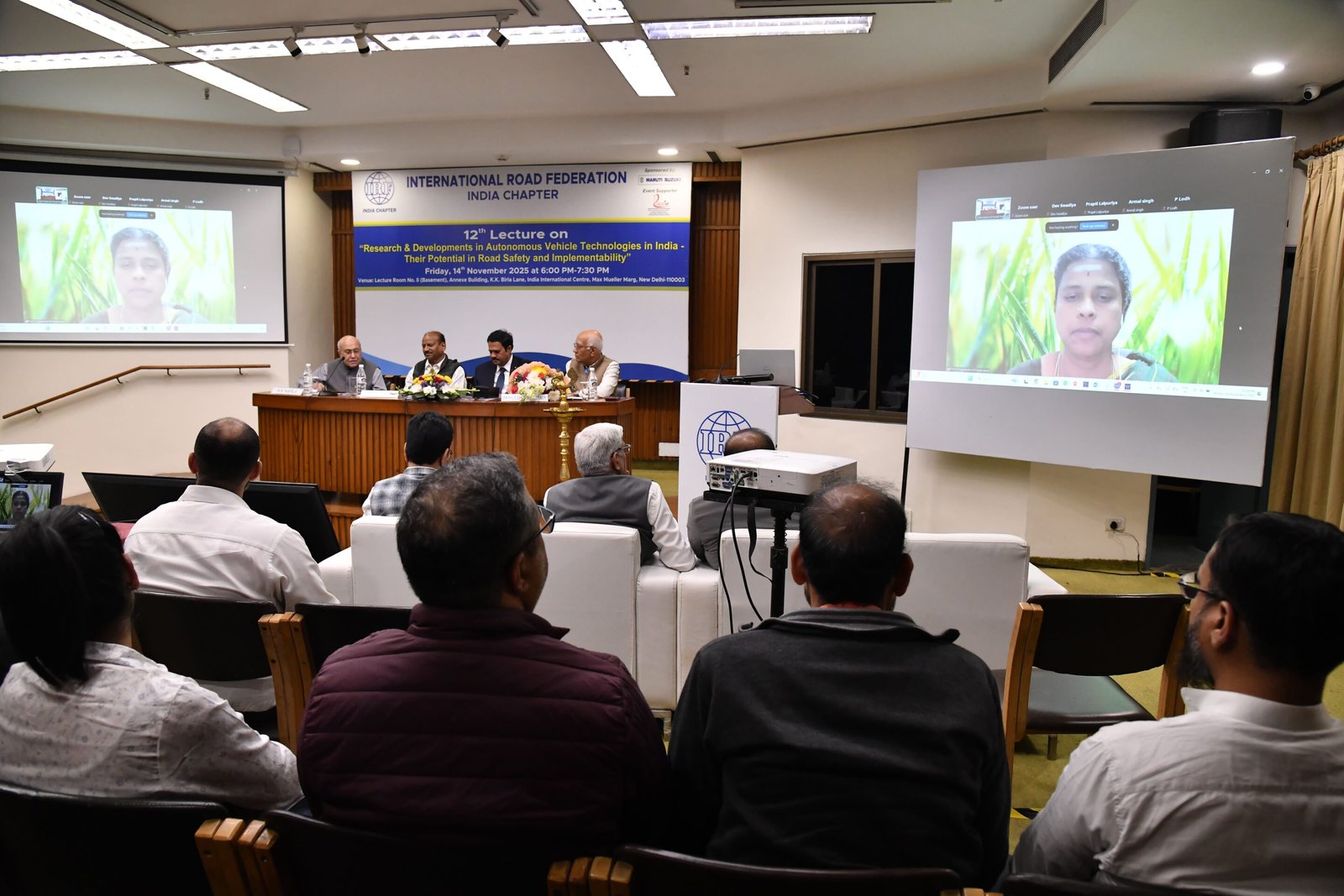
As part of the Road Safety Lecture Series, IRF-IC hosted its 12th lecture on “Research & Developments in Autonomous Vehicle Technologies in India – Their Potential in Road Safety and Implementability”.
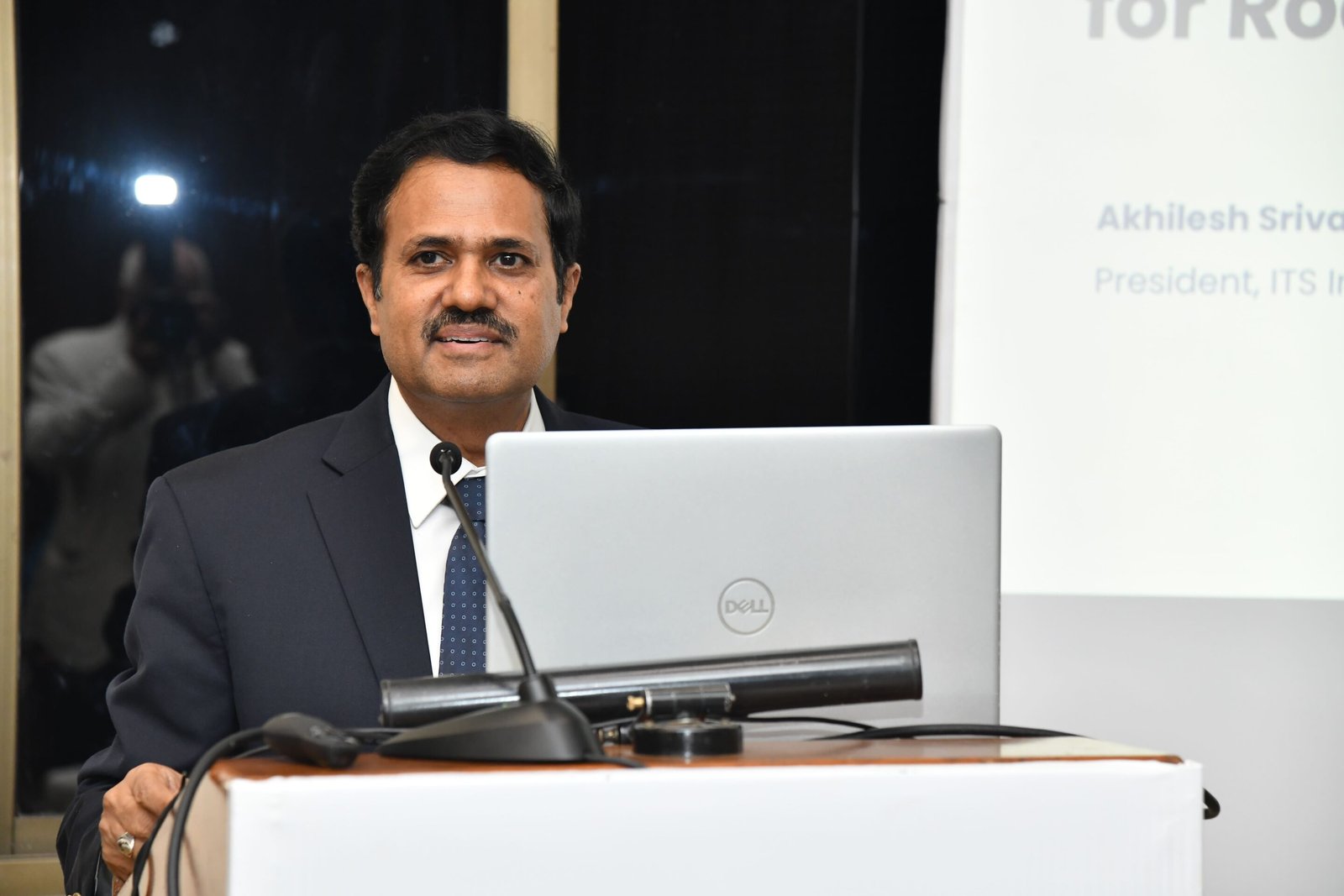
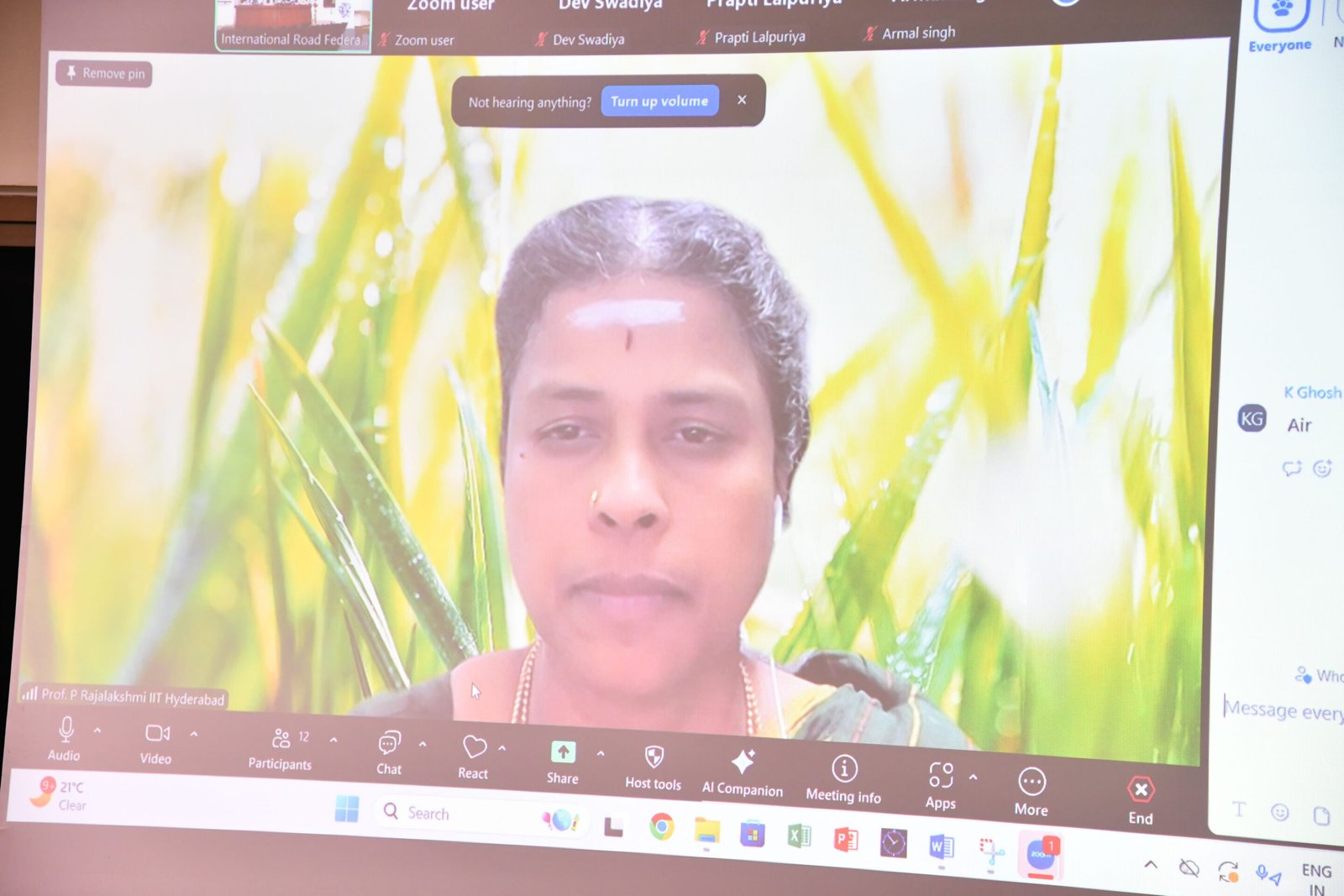
Mr. K. K. Kapila, President (Emeritus), IRF and Founder President, IRF-IC was the Moderator at the event. Mr. Akhilesh Srivastava, President, IRF-IC, Dr. P Rajalakshmi, Professor, TIHAN (Hyd), IIT Hyderabad and Dr. A. Mohan Rao, Click Here Chief Scientist & Head (ESD), Central Road Research Institute, New Delhi were the Guest Speakers.
Mr. K. K. Kapila, President (Emeritus), IRF & Founder President, IRF-IC welcomed the guest speakers and set the tone to the Lecture.
Dr. P Rajalakshmi said India’s target for autonomous vehicles (AVs) involves a phased approach, aiming for widespread use of advanced driver-assistance systems (ADAS) like lane-keeping and adaptive cruise control by 2030, followed by the introduction of Level 3 and 4 vehicles in specific urban areas and controlled routes by 2040. She said, “As India embarks on a mission to lead in autonomous mobility by 2047, our key goals include boosting market growth and developing AVs suited for India’s complex traffic conditions,”. According to her, the country does not have a specific, explicit law or set of Standard Operating Procedures (SOPs) for deployment and operation of autonomous vehicles. “The existing legal framework, primarily the Motor Vehicles Act, 1988 and the Indian Penal Code, 1960, does not directly address the unique challenges posed by autonomous technology and the issue of liability,” Rajalakshmi added that comprehensive regulatory framework will address the safety, liability, ethics and data privacy concerns specific to autonomous vehicles. Click Here
Mr. Akhilesh Srivastava said as of 2025, many vehicles globally were still at level 1 or level 2 autonomy (i.e., driver-assistance systems) rather than full self-driving. Autonomous fleets (Level 4) were operational only in select cities globally. The global AV market was projected to grow strongly, Mr. Srivastava added. Regulatory and liability issues for autonomous driving vary widely and were still evolving and the uptake of Advanced Driver Assistance Systems (ADAS) (Level 1/2) in India was growing,” he said. Click Here
For full lecture recording and presentation of both the speakers, visit IRF-IC’s website at https://www.indiairf.com